Start with the whole movement
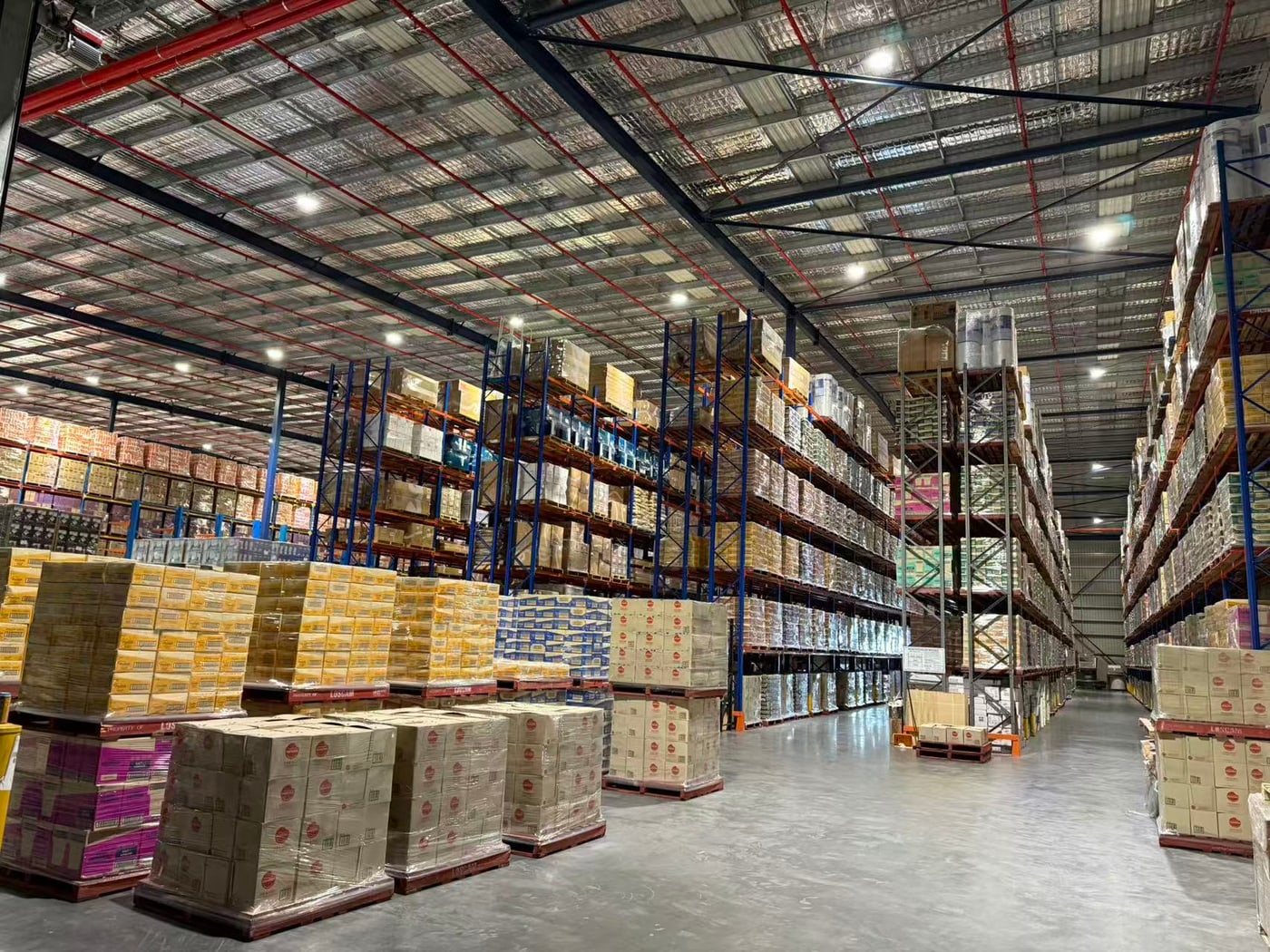
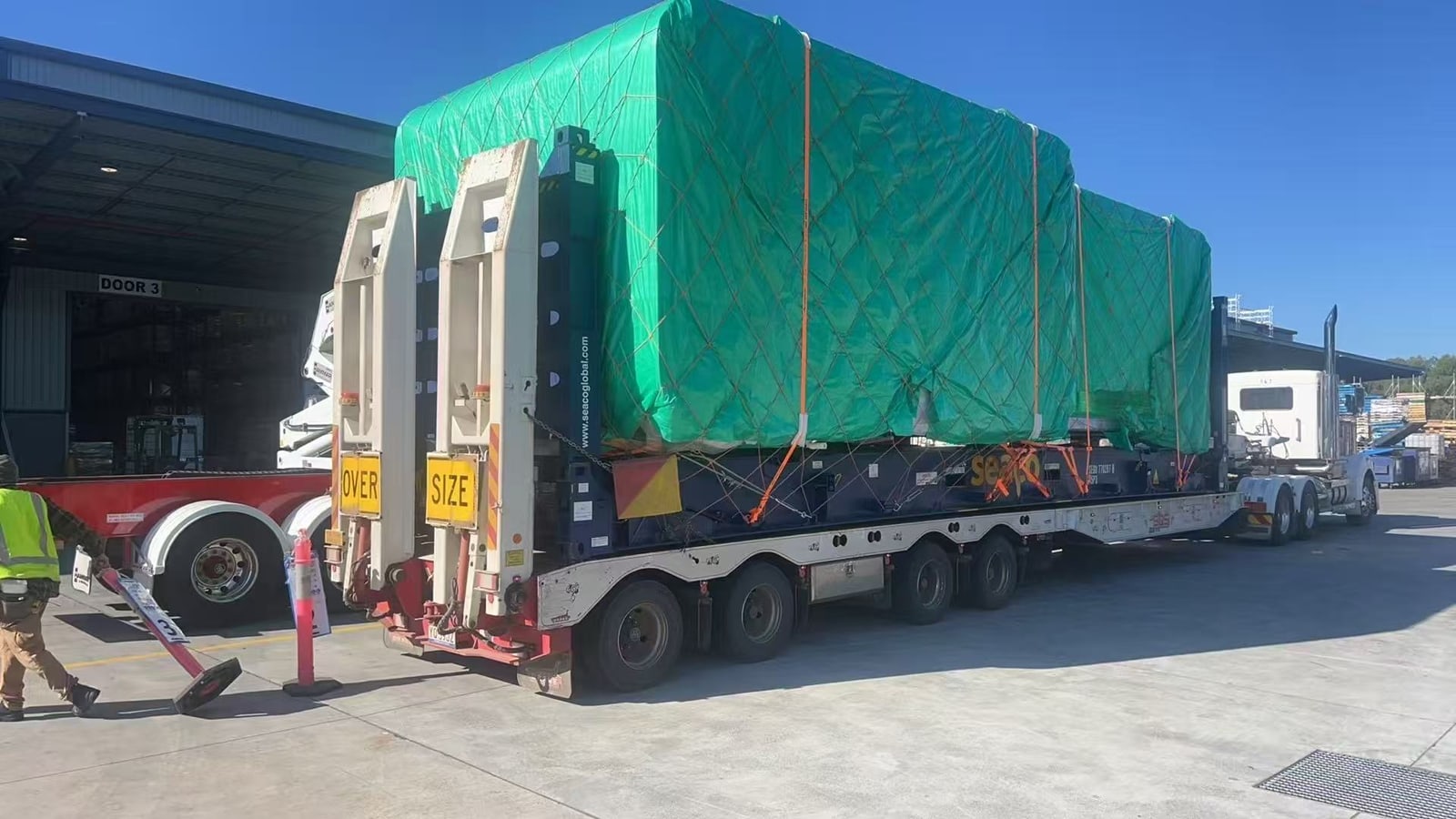
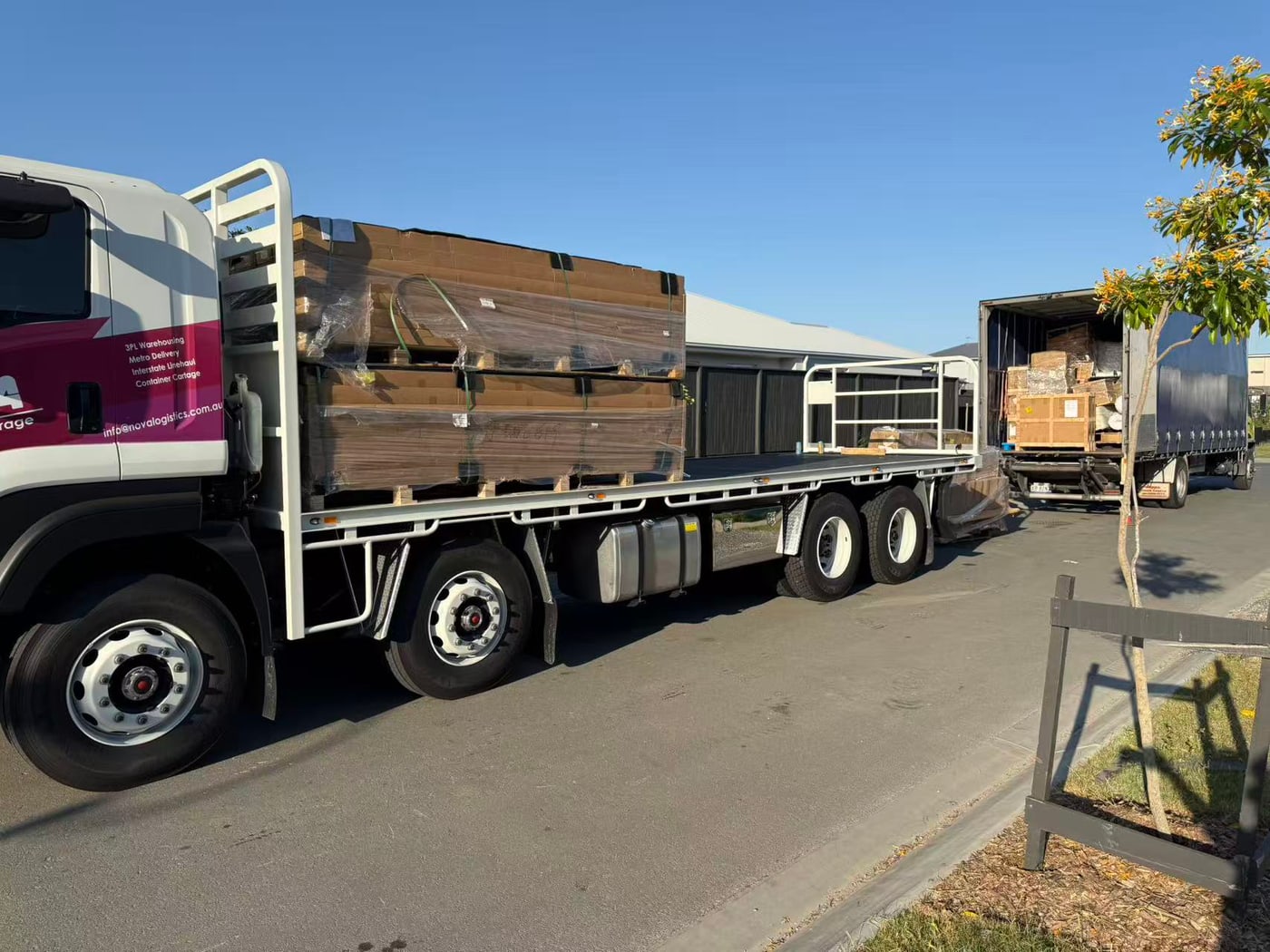
A freight enquiry is most useful when it describes the journey as well as the cargo. Tell us where the goods are now, where they need to go, when they need to move and whether storage or additional handling sits between those stages. A photograph can add context, but it should sit alongside measurements and a description.
Describe the freight clearly
List the number of pallets, packages or individual items. Include the length, width, height and weight of each type of unit, together with the total quantity. Say how the goods are packaged and whether anything has an unusual shape or specific handling requirements. If a weight or dimension is still an estimate, identify it as an estimate so it can be checked before arrangements are confirmed.
Explain both sites
Provide full collection and delivery addresses, site contacts and receiving hours. Mention narrow access, limited turning space, loading docks or other features that could affect the vehicle or handling arrangement. Tell us what equipment is available to load and unload. Avoid assuming the facilities at one end will be available at the other.
Include the timing and the next stage
A requested delivery date and a confirmed receiving window are different pieces of information. Include both where available. If the freight will be stored before delivery, share the likely duration and expected release dates. For repeat work, describe the expected frequency and how much the volume varies. This gives the team a clearer view of the ongoing requirement.
Keep the enquiry easy to follow
One concise email with the key details is a useful starting point. Group cargo details, site information and timing under separate headings, and mention any information still outstanding. Nova can then discuss the transport, cartage or warehousing scope with you. A website enquiry starts that conversation; it is not a confirmed booking.
KEEP THIS CHECKLIST
Ready to start the conversation?
- Cargo description, quantity, dimensions and weight
- Collection and delivery addresses and site contacts
- Requested dates and receiving windows
- Loading, unloading, access and storage needs